
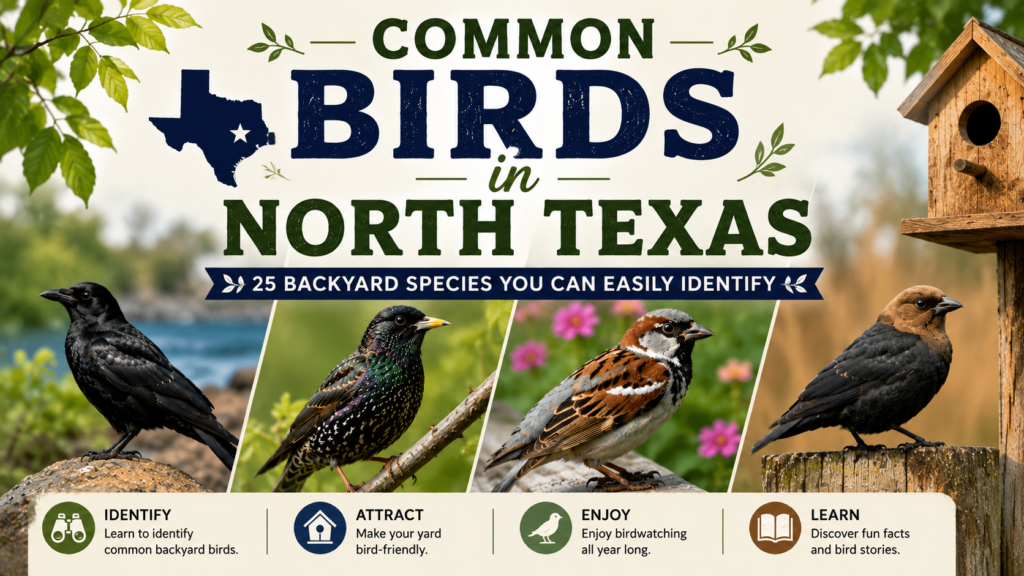
If you love spending time outdoors in North Texas, you’ve probably noticed how many different birds fill the skies and trees. But do you ever find yourself wondering, “What bird is that?” This guide is made just for you.
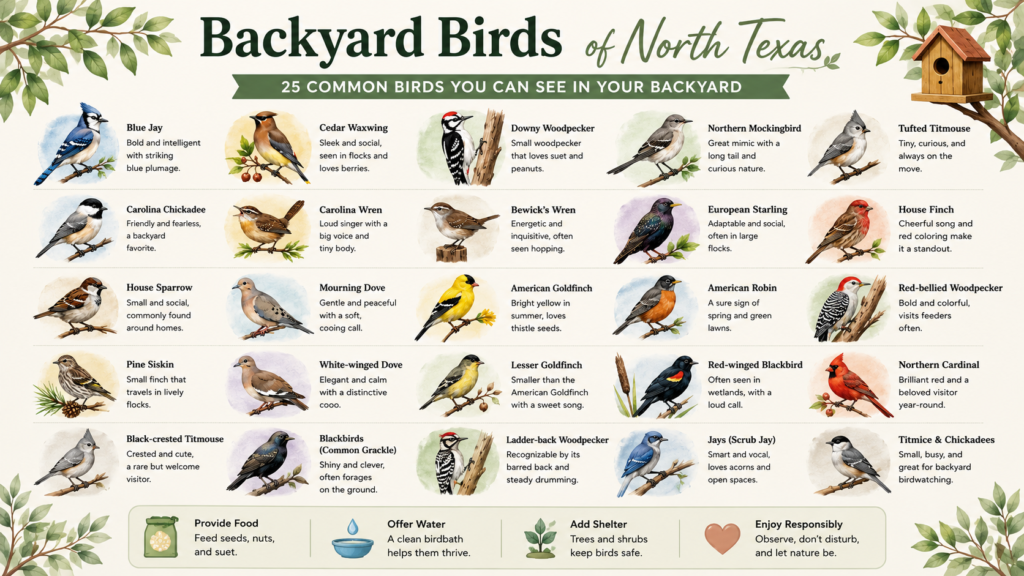
Inside, you’ll discover 25 common birds you’re likely to see around North Texas, each with clear pictures and simple tips to help you identify them quickly. Whether you’re a beginner or just want to sharpen your birdwatching skills, this guide will make spotting and naming birds easier and more fun than ever.
Top 25 Birds In North Texas
North Texas hosts a rich variety of birds throughout the year. Birdwatchers find this region exciting and rewarding. The mix of habitats attracts many species, from small songbirds to large raptors.
Knowing the common birds helps you enjoy nature more. This guide covers the top 25 birds seen often in North Texas. Each bird has unique features that make identification easier.
Northern Cardinal
The Northern Cardinal is bright red with a sharp crest. Males are vivid red, while females show soft brown and red tones. They have a strong, cone-shaped beak perfect for cracking seeds.
American Robin
American Robins have a reddish-orange breast and gray back. They often appear on lawns hunting for worms. Their clear, melodic song signals the arrival of spring.
Blue Jay
Blue Jays show vibrant blue feathers with white and black markings. They are noisy and social birds. Watch for their crest and distinctive “jay” calls in wooded areas.
Mourning Dove
Mourning Doves have soft gray-brown feathers with black spots. Their gentle cooing sound is common in parks and backyards. They feed mainly on seeds from the ground.
Red-tailed Hawk
The Red-tailed Hawk is a large raptor with a reddish tail. It soars high while hunting small mammals. Look for its broad wings and sharp eyes in open fields.
Carolina Wren
Carolina Wrens are small with a bold white eyebrow stripe. They have rich brown upperparts and a loud, repeated song. They prefer shrubs and thickets for nesting.
House Finch
House Finches display red heads and chests in males. Females are brown and streaky. They are common at feeders and urban areas, eating seeds and fruits.
Great Horned Owl
This owl has ear tufts and yellow eyes. It hunts at night and nests in trees or cliffs. Its deep hoot is often heard in wooded parts of North Texas.
American Goldfinch
American Goldfinches are bright yellow in summer and duller in winter. They have black wings with white markings. They feed on seeds and often visit sunflower feeders.
Downy Woodpecker
Downy Woodpeckers are small with black and white plumage. Males have a small red patch on the head. They tap tree trunks looking for insects.
Bird Identification Tips
Identifying birds can be fun and rewarding. It helps to know what to focus on. Observing key details makes spotting different species easier. This section shares simple tips to help you recognize common birds in North Texas.
Key Features To Look For
Start with the bird’s size and shape. Notice the length of the tail and the shape of the beak. Colors and patterns on the feathers are important clues. Look for stripes, spots, or patches of color. Eyes and legs can also help tell birds apart.
Behavioral Clues
Watch how the bird moves. Some birds hop on the ground while others fly in quick bursts. Listen to their calls and songs. Each bird has a unique sound. Feeding habits also give hints. Some birds eat seeds, others catch insects or fish.
Habitat And Range
Birds prefer certain places. Some live near water, while others stay in woods or open fields. Knowing where a bird is found helps narrow down options. North Texas has many types of habitats. Check if the bird is common in that area during the season.
Waterfowl Species
Waterfowl are birds that live near water. They swim, dive, and fly over lakes, rivers, and ponds. North Texas has many waterfowl species that are easy to spot. These birds bring life and color to wetland areas. They are also fun to watch and identify.
Waterfowl have special features like webbed feet and waterproof feathers. These help them move easily in water. Their calls are loud and clear, often heard across the water. Knowing common waterfowl helps you enjoy birdwatching more.
Mallard
The mallard is one of the most common ducks in North Texas. Males have shiny green heads and bright yellow bills. Females are brown with a blue patch on their wings. Mallards often feed in shallow water or on land. Their quacking sound is very familiar to many people.
Wood Duck
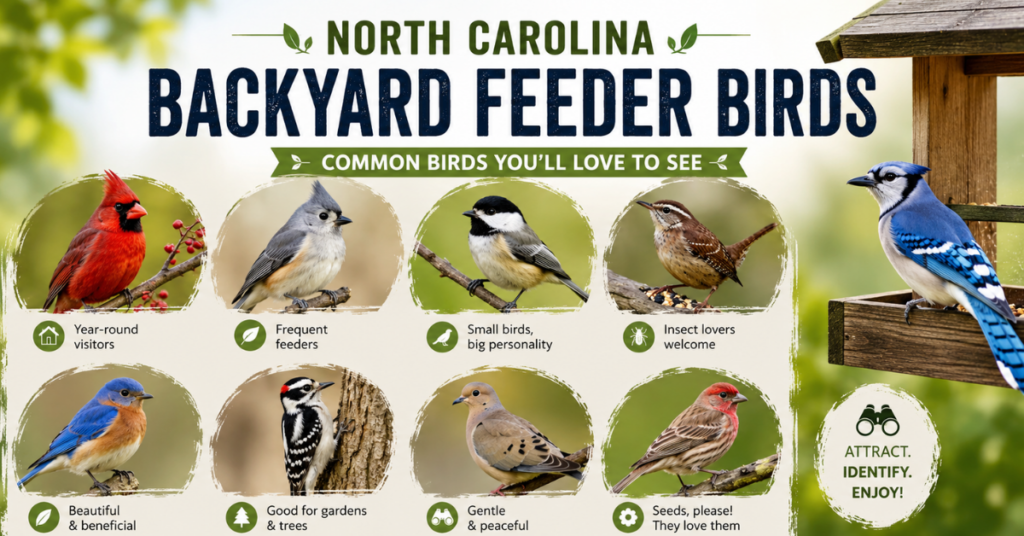
The wood duck is a colorful and striking bird. Males have iridescent green and purple heads with red eyes. Females are gray-brown with a white eye-ring. These ducks like wooded swamps and quiet ponds. They nest in tree cavities, unlike most waterfowl.
Canada Goose
The Canada goose is large and easy to recognize. It has a black head and neck with a white chinstrap. Its body is brown with a lighter chest. These geese often graze on grass near water. They fly in a distinctive V-shape during migration.
Songbirds
Songbirds are common in North Texas, known for their bright songs and colorful feathers. This guide helps identify 25 of these familiar birds with clear pictures. Spotting them is easier with simple tips and descriptions.
Songbirds bring life to North Texas with their bright colors and cheerful sounds.
These birds are easy to spot and fun to listen to in gardens and parks.
They play an important role in nature by spreading seeds and controlling insects.
Below are some common songbirds you can find around North Texas.
Northern Cardinal
The Northern Cardinal is a bright red bird with a sharp crest on its head.
Males are bright red, while females have a softer brownish color.
Its clear, whistling song is easy to recognize and often heard year-round.
Cardinals like to visit feeders with sunflower seeds and enjoy shrubs for cover.
Carolina Wren
The Carolina Wren is small with a loud, musical song that sounds like “tea-kettle.”
It has a brown body and a white stripe above its eye.
This bird is very active and often seen hopping on tree trunks and branches.
It likes dense brush and wood piles for nesting and hiding.
American Robin
The American Robin has a bright orange belly and dark gray back.
It often stands on lawns, searching for worms and insects.
Its song is a series of clear, cheerful whistles that rise and fall.
Robins are one of the first birds to sing in the morning.
Eastern Bluebird
The Eastern Bluebird shows off a bright blue back and rusty orange chest.
This bird loves open fields and often perches on fences and wires.
Its soft, melodious song is a pleasant sound in spring and summer.
Bluebirds nest in tree cavities or birdhouses, making them easy to attract.
Birds Of Prey
Birds of prey are powerful hunters found across North Texas. They use sharp talons and keen eyesight to catch their food. These birds play an important role in nature by controlling small animal populations. Their strong wings help them soar high and spot prey from far away.
Red-tailed Hawk
The Red-tailed Hawk is one of the most common birds of prey in North Texas. It has a broad, rounded tail that is bright red on top. This hawk often perches on tall trees or poles to watch for small mammals. Its call is a loud, descending scream that sounds like “kee-eeeee-ar.”
Great Horned Owl
The Great Horned Owl is a large, nocturnal hunter with prominent ear tufts. It has yellow eyes and a deep hooting call. This owl hunts at night and can catch animals much larger than itself. It is well camouflaged in trees during the day, making it hard to spot.
American Kestrel
The American Kestrel is the smallest falcon in North Texas. It has bright colors with a blue-gray head and rusty back. This falcon hunts insects and small birds by hovering in the air. Its quick flight and sharp vision help it catch prey easily.
Woodpeckers
Woodpeckers are a common sight in North Texas. These birds are easy to spot with their unique pecking behavior. They use their strong beaks to drill into trees. This helps them find insects and make nests. Woodpeckers have stiff tail feathers that support them as they climb tree trunks. Their colors and patterns vary by species.
Woodpeckers play an important role in the ecosystem. They control insect populations and create homes for other animals. Bird watchers enjoy spotting these lively birds. Here are some common woodpeckers found in North Texas.
Red-bellied Woodpecker
The Red-bellied Woodpecker has a striking red cap. Its back is barred with black and white stripes. Despite its name, the red on its belly is faint. It often feeds on insects, nuts, and fruits. You can hear its loud, rolling call in wooded areas. It nests in tree cavities it creates itself.
Downy Woodpecker
The Downy Woodpecker is the smallest woodpecker in North Texas. It has a white belly and black wings with white spots. Males have a small red patch on the back of their heads. These birds peck gently on trees for insects. They visit backyard feeders, especially in winter. Their tiny size makes them easy to miss.
Northern Flicker
The Northern Flicker is a larger woodpecker with brownish feathers. It has black spots on its belly and a white rump visible in flight. Its call sounds like a loud, ringing laugh. Unlike other woodpeckers, it often feeds on ants on the ground. This bird nests in tree holes and sometimes uses nest boxes.
Shorebirds And Waders
Shorebirds and waders are common sights near water in North Texas. These birds often walk along shores, mudflats, and shallow waters. They use their long legs and beaks to search for food in wet areas. Many are easy to spot because of their unique shapes and behaviors. They play a vital role in the ecosystem by controlling insects and small aquatic animals.
Killdeer
The Killdeer is a small shorebird with a brown back and white belly. It has two black bands across its chest, which make it easy to identify. This bird often runs quickly on the ground, stopping to look for insects and worms. Its loud, sharp call helps you know it is nearby. Killdeer nests on the ground, often in gravel or open areas.
Great Blue Heron
The Great Blue Heron is a tall, graceful bird with blue-gray feathers. It stands very still in the water while hunting fish and frogs. Its long neck and sharp bill help catch prey quickly. You will see this bird near lakes, rivers, and ponds. It flies with slow wing beats and pulls its neck back into an S shape.
Snowy Egret
The Snowy Egret is a smaller white heron with black legs and bright yellow feet. It moves quickly in shallow water, searching for small fish and insects. During the breeding season, it shows delicate plumes on its head and neck. The Snowy Egret is often seen in groups, making soft sounds as it feeds. Its bright feet help stir up food from the water.
Unique And Colorful Birds
North Texas hosts a variety of unique and colorful birds that catch the eye. Their bright feathers and distinct shapes make birdwatching exciting. These birds add vibrant splashes of color to the natural landscape. They are easy to spot in parks, backyards, and open fields. Let’s explore three of these standout species.
Painted Bunting
The Painted Bunting is one of the most colorful birds in North Texas. Males display bright blue heads and green backs. Their red underparts make them look like flying jewels. Females are greenish, blending well with leaves. These birds prefer dense shrubs and thickets for shelter. They sing soft, sweet songs that add charm to summer days.
Scissor-tailed Flycatcher
The Scissor-tailed Flycatcher is easy to recognize by its long, forked tail. Its tail feathers can be twice as long as its body. The bird’s pale gray body contrasts with pinkish sides and underwings. It often perches on wires or fence posts, scanning for insects. Watching its graceful flight is a real treat for bird lovers.
Tufted Titmouse
The Tufted Titmouse is small but bold. It has a soft gray body with a white front. A distinct crest sits atop its head, making it look alert. This bird often visits feeders for sunflower seeds. It makes a clear, whistled call that stands out in the woods. Its curious nature makes it a favorite among backyard birdwatchers.
Seasonal Visitors
North Texas hosts many birds that arrive only during certain seasons. These seasonal visitors pass through or stay for a short time. They add vibrant colors and lively songs to the local landscape. Watching these birds can be exciting for both beginners and experts.
These birds often come to North Texas to breed, feed, or rest during migration. Their presence changes with the weather and food availability. Knowing when and where to find them helps bird watchers enjoy their unique traits.
Ruby-throated Hummingbird
The Ruby-throated Hummingbird arrives in spring and stays through summer. It is small and fast with a bright red throat in males. This bird hovers near flowers to sip nectar with its long bill. It is a favorite for many because of its quick movements and shining colors.
Cedar Waxwing
Cedar Waxwings show up in fall and winter. They have smooth brown and gray feathers with a yellow tip on their tail. These birds eat berries and fruits, often found in groups. Their soft, high-pitched calls make them easy to spot in trees.
Yellow-rumped Warbler
The Yellow-rumped Warbler visits North Texas during winter months. It has bright yellow patches on its sides and rump. This bird is active and likes to search for insects and berries. It often flicks its tail and wings while hopping through shrubs and trees.
Birdwatching Spots In North Texas
North Texas offers many great places for birdwatching. These spots attract a wide variety of birds. Each location provides unique chances to see different species. Bird lovers of all levels find joy exploring these areas. Prepare your binoculars and guidebook for a fun day outdoors.
Urban Parks
Urban parks in North Texas are easy to reach. They host many common birds like robins and sparrows. Trees and open spaces create good bird habitats. Parks often have trails that let you walk quietly. This helps you spot birds without scaring them away. Examples include parks in Dallas and Fort Worth.
Nature Reserves
Nature reserves protect wild areas and offer rich birdwatching. These spots have forests, fields, and meadows. They attract birds like woodpeckers and hawks. Quiet paths let you observe birds closely. Popular reserves include Cedar Ridge and Blackland Prairie. Bring a camera to capture rare birds.
Wetlands And Lakes
Wetlands and lakes are home to water birds and waders. Expect to see herons, ducks, and kingfishers here. These spots provide food and shelter for many species. Boardwalks and observation towers improve viewing chances. Check out places like Lake Ray Roberts and Trinity River wetlands. Early mornings are best for bird activity.
Tools For Bird Identification
Bird watching in North Texas is exciting and rewarding. Identifying birds correctly makes the experience even better. Various tools help with bird identification. These tools make spotting and learning about birds easier and more fun. They help both beginners and experienced birders.
Field Guides
Field guides are books with pictures and descriptions of birds. They help identify birds by size, color, and shape. Many field guides also include habitat and behavior details. Carrying a field guide on bird walks is handy. Some guides focus specifically on North Texas birds.
Mobile Apps
Mobile apps offer quick bird identification on the go. They provide photos, sounds, and detailed info about birds. Some apps let users record bird songs or take photos for ID help. Apps often include checklists and tracking features. These tools keep bird watchers organized and informed.
Binoculars And Cameras
Binoculars bring birds closer and reveal fine details. They improve chances to see small or distant birds clearly. Cameras help capture bird images for closer study later. High-quality photos assist with confirming bird species. Both tools are essential for serious bird watchers.
Frequently Asked Questions
1. What Are The Easiest Birds To Spot In North Texas?
Common birds like the Northern Cardinal and Mourning Dove are easy to spot. They are colorful and often found in backyards or parks. Look for bright red males or soft gray doves.
2. How Can I Identify Birds By Their Colors And Size?
Focus on main colors, patterns, and overall size compared to common birds. Note if the bird is small like a sparrow or large like a hawk. Color combinations help narrow down the species.
3. When Is The Best Time To See Birds In North Texas?
Early mornings and late afternoons are prime times for bird watching. Birds are more active during these hours. Also, spring and fall migrations bring many species through Texas.
4. What Types Of Habitats Do North Texas Birds Prefer?
Many birds live in forests, grasslands, or near water sources like lakes and rivers. Urban birds may visit gardens and parks. Knowing habitats helps find specific bird species.
5. How Can I Attract Common Birds To My Backyard?
Use bird feeders with seeds like sunflower or millet to attract many species. Plant native trees and shrubs for shelter and food. Clean water sources also invite birds to visit.
Final Thought
Bird watching in North Texas is fun and rewarding. These 25 birds are common and easy to spot. Each bird has unique colors and shapes to learn. Use this guide to recognize birds on your walks. Enjoy nature and feel closer to the outdoors.
Keep your eyes open and ears ready. Every sighting is a small discovery. Happy birding!